

Choosing the correct aluminum conduit dimensions is crucial to the success and safety of any electrical installation. Appropriately sized conduit ensures the protection of electrical cables, facilitates efficient installation and complies with regulatory standards. American Conduit experts have a wide variety of conduit, which come in almost every size you need. Here are some factors that determine what size will be suitable for your project.
Cable Protection
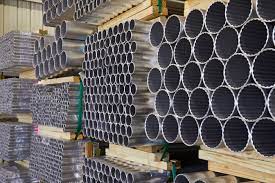 One of the primary functions of the electrical conduit is to protect electrical cables from physical damage, moisture, and chemical exposure. The dimensions of the conduit, including its diameter and wall thickness, must shield the cables from these hazards. A conduit that’s too small can damage cables, leading to electrical faults and potential fire hazards.
Ease of Cable Installation
Correct conduit dimensions enable the smooth installation of electrical cables. Conduits that are too narrow make it difficult to pull cables through, increasing the risk of damage during installation. On the other hand, conduits that are too large may require additional supports and fittings, complicating the installation process. Correctly sized conduit ensures that cables can be installed efficiently and without damage.
Regulatory and Standards Compliance
Our conduits in electrical installations comply with national and local electrical codes, such as the (NEC) National Electrical Code. These codes specify minimum and maximum conduit dimensions for various types of installations to ensure safety and reliability. Using conduit with the correct dimensions helps ensure compliance with these regulations, avoiding potential legal and safety issues.
Cable Fill Capacity
The dimensions of the conduit determine its cable fill capacity, which is the maximum number of cables that can be safely installed within the conduit. Overfilling the conduit can lead to overheating, increased electrical resistance, and potential short circuits. Accurate conduit dimensions ensure that the cable fill capacity is not exceeded, maintaining the safety and performance of the electrical system.
Heat Dissipation
Electrical cables generate heat during operation, and the conduit must allow for adequate heat dissipation to prevent overheating. Conduits with appropriate dimensions facilitate proper airflow around the cables, dissipating heat and reducing the risk of thermal damage. This is particularly important in high-current installations where heat generation is significant.
Structural Integrity
The wall thickness of the conduit contributes to its structural integrity, ensuring it can withstand external pressures and impacts. Conduits with insufficient wall thickness may deform or collapse, compromising the protection of the cables. Choosing a conduit with the correct dimensions ensures it remains structurally sound throughout its service life.
Flexibility in Design
Properly sized conduit provides flexibility in the design and layout of electrical systems. It allows for easy routing of cables around obstacles and through walls, ceilings, and floors. Accurate dimensions also facilitate the use of standard fittings and accessories, simplifying the installation process and reducing costs.
Future Expansion
Selecting conduit with appropriate dimensions allows for future expansion and modifications to the electrical system. If additional cables need to be installed later, conduits with adequate dimensions provide the necessary space without extensive rework. This forward-thinking approach can save time and money in the long run.
Call 1-800-334-6825 or contact us online to learn more about aluminum conduit dimensions from American Conduit. One of our experts will recommend the perfect size for your installation.