

When it comes to electrical installations, fire resistance is a critical factor to consider, especially in environments where safety is paramount. Aluminum electrical conduit is widely used for its excellent properties, lightweight, corrosion resistance, and ease of installation. However, understanding its fire resistance is essential to ensure it meets safety standards and application requirements. Here’s a look at the fire resistance of the best aluminum electrical conduit, which you’ll find from American Conduit.
Properties of Aluminum Conduit
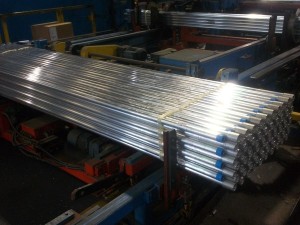 Aluminum is known for its excellent thermal conductivity and non-combustible nature. Unlike materials that can ignite or propagate flames, aluminum does not burn. Instead, it can melt at high temperatures, a crucial consideration in fire scenarios. The melting point of aluminum is approximately 1220° F (660° C). While this melting point is relatively low compared to some other metals, several factors influence the structural integrity and performance of aluminum conduits in fire conditions.
Non-Combustible Nature
One of the primary advantages of aluminum electrical conduit is that it’s non-combustible. This means that aluminum doesn’t contribute to the fuel load in the event of a fire, reducing the overall fire risk in electrical installations. Unlike plastic or other combustible materials, aluminum will not ignite, produce flames, or emit toxic gases when exposed to fire. This non-combustible property makes aluminum conduits a safer choice for environments where fire hazards are a concern.
Fire Resistance Ratings and Standards
The fire resistance of aluminum electrical conduit is often assessed based on various standards and ratings that evaluate its performance under fire conditions. Some of the relevant standards include:
- UL (Underwriters Laboratories): UL provides testing and certification for electrical conduits, including aluminum, to ensure they meet fire safety requirements. Conduits that pass these tests are labeled with UL listings, indicating they are suitable for specific fire-rated applications.
- NFPA (National Fire Protection Association): NFPA standards, such as NFPA 70 (National Electrical Code), provide guidelines for installing and using electrical conduits in fire-resistant applications. These standards often reference the fire performance characteristics of materials, including aluminum.
- ASTM (American Society for Testing and Materials): ASTM standards, such as ASTM E119, outline test methods for determining the fire resistance of building materials. While not specific to electrical conduits, these tests provide a framework for evaluating the fire performance of aluminum conduits in construction.
Practical Applications
Aluminum electrical conduit is widely used in various applications where fire resistance is critical. Some common applications include:
- Commercial buildings: Aluminum conduits protect electrical wiring in commercial buildings, ensuring that fire safety codes and standards are met. Their non-combustible nature and heat dissipation make them suitable for high-traffic areas and spaces with stringent fire safety requirements.
- Industrial facilities: In industrial settings, aluminum conduits protect wiring in environments where fire hazards are present, such as manufacturing plants, chemical processing facilities, and refineries. Their ability to withstand harsh conditions and resist fire makes them a reliable choice.
- Residential installations: Aluminum conduits are also used in residential buildings, particularly in areas where fire safety is a concern, such as basements, attics, and garages. Their non-combustible nature provides an added layer of protection for homeowners.
If you want the best aluminum electrical conduit, contact American Conduit online or call 1-800-334-6825.