

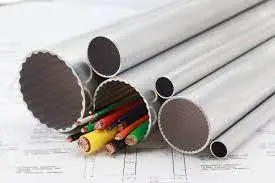
If you’re wondering why conduit weight matters when installing thousands of feet of EMT, it might help to stop thinking about one 10-foot length and start thinking about the entire project. Every piece may be unloaded, lifted, carried, positioned, adjusted and sometimes moved more than once. At American Conduit, we provide PullEase™ EMT, a lightweight aluminum alternative that weighs about half as much as steel EMT. Across a major commercial installation, that difference can change how crews experience the job.
Repetition Doesn’t Let Weight Stay Theoretical
One length of conduit may not feel like a major burden. Hundreds or thousands of lengths create a very different workload.
Crews may spend days distributing material through a building before installing it all. Lighter PullEase™ EMT reduces the amount of weight workers have to manage during those repeated movements. That can make material distribution less physically demanding and help teams maintain a steadier pace over long shifts.
Vertical Projects Don’t Need Extra Carrying Difficulty
Multistory buildings add another layer of material-handling complexity. Conduit may travel through loading areas, elevators, stairs, and partially completed floors before it reaches the final installation point.
Lighter conduit can simplify those movements, particularly when staging space is limited. PullEase™ EMT can help contractors reduce the burden associated with getting material where crews actually need it.
Overhead Installation Doesn’t Hide the Weight Difference
Conduit becomes harder to manage when electricians hold it above shoulder height, align it with supports, or work from lifts.
Reducing material weight can make positioning more manageable. That doesn’t eliminate proper lifting practices or safety planning, but it can reduce the weight each installer has to control during routine tasks.
Logistics Don’t Stop at the Jobsite Gate
Weight also matters before conduit reaches the crew. The heavier the conduit, the more it affects freight, bundle movement, storage and delivery planning.
PullEase™ EMT gives contractors a lighter material from transportation through final installation. On large projects, thinking about total handled weight can reveal productivity opportunities that aren’t obvious when you compare conduit only by price per foot.
Thousands of Feet Need Not Mean Thousands of Identical Delays
Large projects magnify small inefficiencies. An extra handling step that takes only a short time can add up quickly when it happens on every floor or in every work zone.
Using lighter conduit can help reduce that cumulative burden. The value isn’t based on one dramatic time savings. It comes from making repeated tasks easier throughout the entire installation sequence. Those gains can matter even more when several crews are installing raceway at the same time across different areas.
A Huge Advantage During Wire Pulling
A lightweight conduit would lose some of its value if crews saved time moving it but struggled once conductor pulling began.
PullEase™ EMT features internal ridges that reduce pulling resistance. Lubrication isn’t normally required, so contractors can pair easier material handling with a simpler pulling process.
Conduit Weight Doesn’t Disappear in the Final Estimate
Project teams often focus on material quantities, labor rates, and schedule milestones without calculating how often workers will physically handle the specified conduit. On large installations, weight becomes a labor and logistics issue, not just a material property.
Why conduit weight matters when installing thousands of feet of EMT comes down to cumulative effort. Use PullEase™ EMT from American Conduit when your priorities include reducing handled weight, easier staging, smoother installation, and a more manageable workload across the project. You can purchase yours by calling 1-800-334-6825 or contacting us online.