

The experts with American Conduit get a lot of questions. A common one is, “What conduit type should I use for electrical wiring in manufacturing facilities?” The answer is really about balancing protection, longevity, and everyday practicality. You don’t need to become an engineer to make smart choices, but you do need to think about how the plant actually runs.
Start With the Environment, Not the Catalog
The best conduit choice depends on where it’s going and what it will face. A clean assembly area has different needs than a washdown zone, a mechanical room, or an outdoor run between buildings. You’ll also want to consider how much physical contact the conduit might see from carts, forklifts, pallet jacks, or maintenance activity.
If the environment is damp, corrosive or exposed to chemicals, corrosion resistance moves higher on the priority list. If the area is packed with equipment and access is tight, ease of handling and consistent installation can matter just as much as raw toughness. When you think in terms of conditions instead of product names, conduit decisions start to feel a lot clearer.
EMT Works Well When You Need Speed and Organization
EMT is a common choice in many manufacturing spaces because it supports a clean, organized installation that’s still practical for change. It’s often used where wiring needs strong physical protection but also needs to stay accessible for future upgrades.
When EMT makes sense for the facility, PullEase™ EMT from American Conduit is worth considering because it’s designed to support smoother pulls and a more predictable installation experience. In a plant setting, that can mean less time wrestling with the work and more time keeping the system neat and consistent. A clean conduit layout is more than aesthetics. It can make troubleshooting faster and reduce confusion during expansions.
Aluminum Conduit is a Smart Fit in Tough Plant Conditions
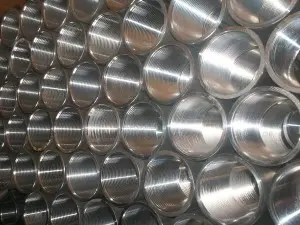
Many facilities also consider aluminum conduit for areas where long-term durability matters. Plants often have zones where moisture, humidity, or exposure are part of daily operations, and corrosion can create headaches over time. Aluminum’s natural resistance can help the conduit hold up, which helps reduce maintenance work later.
Another advantage is handling. Aluminum is light, and that can make installation easier in large facilities where conduit runs are extensive. Better handling can lead to cleaner routing and fewer installation headaches, especially when schedules are tight and multiple trades are working around each other.
Think About Maintenance and Future Changes
Manufacturing facilities rarely stay frozen in time. A conduit system should support the plant you have now and the plant you’ll have in a few years. That means planning for access, clear routing, and the ability to add circuits or adjust runs without tearing everything apart.
Choosing the right conduit type can help maintenance teams work more efficiently. When conduit is consistent, properly supported, and routed with intention, repairs and upgrades take less time and create fewer disruptions. It’s also easier to keep safety standards high when wiring stays protected and organized instead of becoming a patchwork of quick fixes.
We’re Ready to Tell You More
It’s easy to overthink conduit and end up chasing the toughest option for every area. In reality, “best” is usually a balance. You want enough protection for the risks of the space, but you also want a solution that crews can install efficiently and that the facility can maintain.
Whether you want to know what conduit type you should use for electrical wiring in manufacturing facilities or you have any other questions, get in touch with American Conduit. You can use our online contact form or call 1-800-334-6825.