

While aluminum may be known for being lightweight and easy to work with, its real strength lies in how it performs when conditions get harsh. When safety, durability, and longevity are non-negotiable, rigid aluminum doesn’t just meet expectations – it exceeds them. Rigid aluminum conduit and fittings from American Conduit thrive under pressure.
Corrosion Resistance That Outlasts the Elements
Dangerous environments often include moisture, salt, chemicals or extreme temperature shifts – sometimes all at once. In those settings, steel conduit, even when galvanized or coated, begins to show its age fast. Scratches turn into rust points. Fittings degrade. The protective layers chip, peel, or wear down under routine exposure.
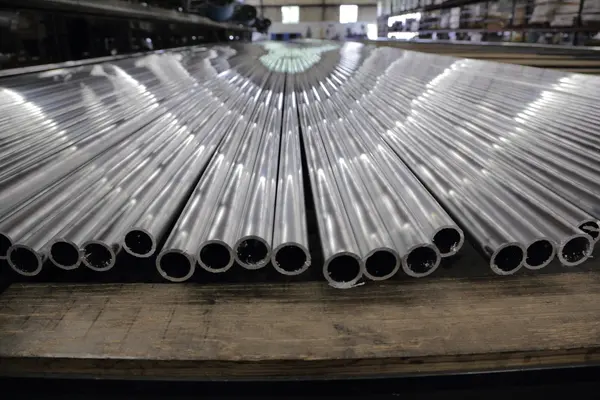
Aluminum doesn’t have that problem. It naturally forms a thin, invisible oxide layer when exposed to air – an immediate, self-repairing barrier that resists corrosion without the need for extra coatings. That built-in resistance gives it a serious edge in settings like coastal installations or wastewater facilities, where the environment can eat through steel in a matter of months. Aluminum stands strong, even in the worst conditions, which means fewer failures and less maintenance over time.
Lightweight Strength in High-Stakes Applications
Excessive weight doesn’t just make installation harder – it increases risk for crews working at height or in confined spaces. Rigid aluminum conduit offers the best of both worlds: strength and reduced weight. It maintains structural integrity under load, supports long conduit runs and won’t sag or deform under pressure – but it’s far easier to lift, position and secure than traditional steel options.
This matters not just for speed, but for safety. When crews are installing conduit in explosion-rated zones, heavy lifting isn’t just inconvenient – it’s dangerous. The faster and more precisely you can position conduit and fittings, the safer the job becomes. Aluminum gives your team that flexibility, without compromising on performance.
Non-Sparking for Sensitive Installations
Certain environments have an ever-present risk of combustion. Refineries, grain silos battery manufacturing plants and other explosion-prone areas have zero tolerance for materials that could generate sparks during installation or maintenance. That’s one of aluminum’s unsung advantages – it’s non-sparking under typical use conditions.
This property makes aluminum conduit a preferred material in many classified environments. Combined with the right fittings and bonding practices, it helps reduce the chance of accidental ignition during both installation and long-term service. When fire risk is always present, a small material choice like aluminum can be a big part of a safer system.
Longevity That Reduces Downtime
In dangerous or remote environments, downtime isn’t just costly – it can be catastrophic. Pulling crews off a live industrial floor or shutting down a portion of a power grid just to replace deteriorated conduit can ripple across entire operations. That’s why durability and maintenance reduction are mission critical.
Rigid aluminum conduit holds up. It doesn’t corrode from the inside out. It doesn’t peel or flake. And when installed with proper fittings and grounding, it provides a stable, long-term solution that doesn’t need constant babysitting. Fewer replacements mean fewer shutdowns – and that’s a win every facility manager understands.
You need materials that are proven, trusted, and tough enough to outlast the risks they’re exposed to. Rigid aluminum conduit and fittings from American Conduit bring a combination of strength, corrosion resistance, safety and ease of use that makes them a standout in places where the stakes are high. Put our products to the test by using our online contact form or calling 1-800-334-6825.