

If you’ve ever suggested aluminum conduit on a jobsite, you’ve probably heard the same question almost immediately. Is aluminum conduit strong enough for heavy-duty installations, or is it a lighter option that belongs only in mild environments? It’s a fair concern, because nobody wants to choose a material that looks good on paper and then feels flimsy when the work gets real. The good news is that aluminum conduit from American Conduit can absolutely hold its own in demanding settings when it’s specified correctly and installed with the right expectations.
Strength Depends on the Whole System, Not Just the Metal
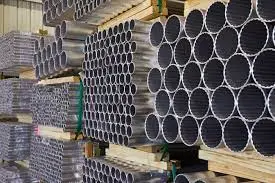
People sometimes treat conduit strength as a simple contest between materials. In real installations, strength is more about the system than a single ingredient. Conduit has to handle physical impacts, vibration, support spacing, fittings, and the way it’s routed around equipment. When those factors are managed well, aluminum conduit performs reliably in a lot of heavy-duty environments.
It’s also worth remembering that “heavy-duty” can mean different things. A manufacturing floor with forklifts and moving equipment has different risks than a coastal facility dealing with humidity and salt air. Aluminum’s value shows up when you’re balancing toughness with corrosion resistance and long-term consistency.
Where Aluminum Conduit Shines in Tough Environments
One reason aluminum conduit stays popular in demanding locations is that it holds up well where corrosion is a constant issue. Corrosion doesn’t always look dramatic at first, but it can shorten the life of components and create maintenance work that nobody wants. Aluminum’s natural corrosion resistance can be a real advantage in places like washdown areas, facilities with chemical exposure, and outdoor installations where weather is part of the daily reality.
That’s a different kind of strength. It’s not only about taking a hit today. It’s about staying dependable over time, even when the environment is trying to wear everything down.
Handling and Installation Can Support Durability
Another part of the heavy-duty conversation is installation quality. Aluminum conduit is lighter than steel, which can make it easier to handle and position, especially in large builds or overhead runs. That can lead to cleaner installs because crews can control alignment and routing without fighting the material. A neat run with proper supports and secure fittings is less likely to get bumped, loosened, or stressed by vibration.
PullEase™ EMT from American Conduit isn’t just strong. It can also support smoother wire pulls, which helps keep the install moving without unnecessary strain on conductors. That can reduce the kind of pulling tension and jobsite improvisation that sometimes leads to damage.
A Practical Definition of Strength
No conduit is happy if it’s placed where it gets hit repeatedly by equipment. The goal is to choose a material that matches the environment and then install it in a way that respects the realities of the site.
Aluminum conduit earns its spot because it’s strong where it needs to be and resilient in conditions that punish other materials over time. When you pair that with smart routing and solid installation practices, it can perform reliably in facilities that demand a lot from their electrical infrastructure.
Is aluminum conduit strong enough for heavy-duty installations? The clear answer is “yes,” as long as it comes from American Conduit. If you want a conduit option that can handle demanding sites while also resisting corrosion and supporting efficient installation, aluminum deserves serious consideration. Find out more by calling 1-800-334-6825 or using our online contact form.