

If you’re wondering how American Conduit PullEase™ EMT improves project timelines, it comes down to reducing the delays that repeat throughout an electrical scope. Schedule pressure can build through material handling, raceway installation, conductor pulling, cleanup and crew coordination long before a project reaches final inspection. We engineer PullEase™ EMT to reduce internal resistance during wire pulls. That gives contractors a way to address several common sources of lost time without asking crews to change the fundamentals of how they work.
Material Delivery Won’t Create a Bottleneck
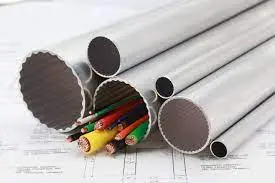
A project schedule can lose time before installation even begins if conduit is difficult to unload, distribute, and stage. Large commercial jobs may require material to move through loading docks, service corridors, lifts and multiple floors.
PullEase™ EMT weighs less than comparable steel EMT, making it easier for crews to move lengths and bundles through active job sites. That can simplify staging and help installers get material closer to the work area sooner. When the physical handling burden is lower, supervisors may have more flexibility in how they assign people to material movement.
Daily Installation Won’t Include Heavy Lifting
Once conduit reaches the work zone, crews still have to position it, support it and work it into planned routes. Repeated handling becomes part of the schedule even if it isn’t called out separately.
Using lighter aluminum raceway can make these ordinary installation tasks easier to manage. PullEase™ EMT gives contractors familiar EMT functionality with less weight to control. That can help crews keep a steadier pace as the day progresses, particularly when work is overhead or spread across large spaces.
Making Conductor Pulls Easier
Wire pulls are often scheduled tightly because other crews may be waiting on electrical completion. When resistance creates problems, the delay can affect more than the electricians performing the pull.
PullEase™ EMT is designed to reduce internal resistance, helping conductors move through the raceway with less friction. In many applications, crews can also avoid messy pulling lubricant. Fewer interruptions and less setup can make the duration of repeated pulls easier to estimate.
Cleanup Won’t Extend Every Pull
The time attached to a task includes what happens after the main work is complete. Pulling lubricant, containers, residue and extra tools can all create cleanup that extends the job.
When lubricant isn’t needed, crews can finish the pull and transition more quickly to the next activity. The savings may be small on one run, but commercial projects can contain enough repeated pulls for that difference to become meaningful across the overall schedule.
Crew Coordination Will Never Need Constant Adjustments
Project managers build schedules around assumptions about how long work will take. When ordinary tasks regularly run longer than planned, they have to shift labor and sequencing to recover.
PullEase™ EMT can help reduce variation around handling and pulling. Contractors who want material choices that support more predictable production, instead of relying on overtime or last-minute staffing changes when the schedule starts slipping, can trust PullEase™ EMT.
Better Timelines Don’t Require Rushed Work
Project speed is most valuable when it comes from removing inefficiency rather than pushing crews beyond a sustainable pace. Easier handling, smoother pulls, and less cleanup can all help keep work moving without cutting necessary steps.
Learning how American Conduit PullEase™ EMT improves project timelines is really about improving the rhythm of installation. We help contractors source PullEase™ EMT for projects where dependable progress matters, giving field teams a lightweight raceway option that can support steadier scheduling from material delivery through final conductor pulls. Find out more by calling 1-800-334-6825 or using our online form.