

Winter maintenance keeps people safe, but it can be rough on buildings. The same ice melt chemicals that help prevent slips also create a constant spray of salty slush near walkways, loading docks, ramps, and drive lanes. Conduit runs that sit in that path get hit again and again, often without anyone noticing until corrosion or damage becomes obvious. Aluminum conduit in North Dakota from American Conduit is better suited for the harsh mix of moisture, chemicals, abrasion, and freezing temperatures that define high-traffic winter areas.
Understanding What Makes Splash Zones So Harsh
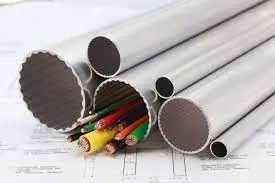
Splash zones aren’t just wet, they’re wet with purpose. Plowed snow is pushed into piles, melts during the day, then refreezes at night. Vehicles and carts throw slush outward. Foot traffic grinds deicing products into gritty paste. That paste ends up on walls, pedestals, bollards, and any conduit routed near grade.
The real problem is repetition. A conduit run might get splashed dozens of times a day during winter operations. Even if each exposure seems minor, the chemical residue and constant moisture can accelerate deterioration. Add in physical abrasion from grit and ice chunks, and the area becomes one of the toughest environments around a commercial building.
Why Ice Melt Chemicals Create Corrosion Pressure
Many deicing products include chlorides, which are great at melting ice and equally great at attacking certain metals over time. The chemistry doesn’t stop when the sidewalk clears. The residue sticks around, especially in cracks, joints, and places that never fully dry. When temperatures swing above and below freezing, moisture moves in and out of crevices, carrying chemicals with it.
That cycle can speed up corrosion, particularly in lower wall areas and along conduit runs that cross entrances or loading zones. It can also cause fasteners and fittings to seize, which makes later repairs more complicated than they should be. If you want your conduit system to stay serviceable, you have to think about this exposure pattern early.
How Aluminum Conduit Helps in High Exposure Locations
Aluminum conduit has characteristics that make it a strong option for splash zones. Aluminum naturally forms a protective oxide layer that can reduce the corrosion anxiety that comes with constant salt and chemical exposure near grade.
Aluminum also makes sense because it supports long-term reliability where maintenance teams cannot realistically wash down surfaces after every storm. In the real world, splash zones get ignored until something looks bad. Choosing aluminum conduit is one way to design for reality instead of hoping for perfect maintenance.
Keeping EMT Efficient Without Ignoring Durability
Some areas near walkways and loading docks use EMT because it supports clean, efficient routing and fits common commercial design approaches. When EMT is used in harsh winter conditions, you still want the install to go smoothly and the conduit pathway to stay dependable over time. PullEase™ EMT from American Conduit is built to support efficient pulls and steady jobsite flow, which matters when crews are working around winter schedules and compressed timelines.
The key is aligning installation choices with the environment. If a run is close to grade, it helps to think about how people and vehicles move through the space. A conduit path that looks fine on paper can end up sitting directly in the line of slush spray. Aluminum conduit gives you more resilience, but smart routing and thoughtful placement keep the splash zone from doing unnecessary damage.
See why you should choose aluminum conduit in North Dakota from American Conduit by contacting us online or calling 1-800-334-6825.