

Sustainability on a construction project used to mean a few visible choices, like lighting upgrades or low flow fixtures. Now it shows up in every part of the build, even in places most people never see once the walls close. Aluminum conduit in Minnesota from American Conduit sits squarely in that category.
Sustainability Starts With Materials That Don’t Become Trash
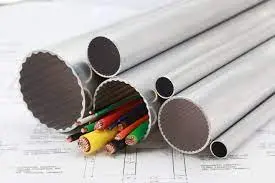
A sustainable job is about what gets installed and what gets thrown away. When conduit is damaged, corroded, or cut incorrectly, it can turn into waste fast. Some projects treat that waste as the cost of doing business. Owners with sustainability goals do not.
One of the simplest sustainability wins is choosing materials with strong end-of-life value. Aluminum is widely recyclable, and that matters because it helps keep material out of landfills and in a reuse loop. Even when scrap does happen, it’s more likely to be collected, separated, and recycled because it has established value. That’s not a marketing point, but real jobsite behavior. Crews and subs tend to manage valuable scrap differently than low-value debris.
Recyclability is Also a Communication Tool
Owners and facility managers are often asked to document sustainability efforts in plain language. They need to explain choices to boards, investors, and community stakeholders who care about responsible purchasing and waste practices.
Recyclability gives project teams a clear, defensible narrative. Saying a material can be recovered and recycled is easier to communicate than a technical argument about alloys or coatings. If a project has sustainability reporting requirements, this kind of straightforward material story can help the electrical scope fit into a larger building-wide goal without forcing anyone to oversell it.
That is where PullEase™ EMT from American Conduit can support the conversation. It’s still conduit, but it fits the owner-facing story about selecting materials that align with modern expectations around reuse and reduced waste.
Waste Reduction Happens in the Field, Not on a Brochure
Most sustainability plans look great on paper. The real test is whether the jobsite can execute them while staying on schedule. Waste reduction is a perfect example. You can set goals, but you still need crews to cut, fit, and route efficiently.
Conduit choices can influence that everyday reality. When installers can handle and place conduit with less struggle, they tend to make cleaner adjustments and create fewer damaged sections. That can translate into fewer toss-outs and fewer last-minute replacements.
Waste reduction also shows up in the coordination process. When a material supports smoother workflow, the electrical scope is less likely to fall behind and require rushed changes later. Rushed changes are where waste tends to spike. A schedule scramble almost always creates extra material consumption.
Owners Expect Longevity, Not Just Green Labels
Owners have gotten smarter about sustainability claims. They are less impressed by buzzwords and more interested in durability and maintenance reality. If conduit holds up in the environments where the building will actually operate, it supports sustainability by avoiding premature replacement and repeated repairs.
This is where the conversation gets practical. A building that needs fewer repairs over its life uses fewer resources. It also produces less waste. Even if conduit is hidden, its performance still affects long-term building operations and maintenance budgets. Owners care about that, especially in facilities where downtime is expensive.
Let the experts in aluminum conduit in Minnesota with American Conduit tell you more. You can reach out by using our online form or calling 1-800-334-6825.