

For decades, galvanized steel was the go-to material for electrical conduit. It was tough, reliable, and widely accepted across nearly every construction sector. But times are changing. Today’s projects demand more than just durability – they require speed, efficiency, and long-term value. That’s where aluminum conduit in Kansas from American Conduit has pulled ahead.
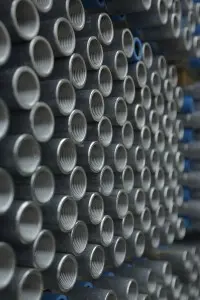
Contractors, engineers and builders are increasingly shifting away from galvanized steel and toward aluminum for reasons that go far beyond weight. The change reflects a new set of priorities in construction – where performance, cost-effectiveness and adaptability matter more than tradition.
Lighter Material, Faster Projects
The most immediate difference you’ll notice with aluminum conduit is its weight – or lack of it. Aluminum is significantly lighter than galvanized steel, and that change has ripple effects across the entire job site.
Lighter conduit is easier to move, quicker to lift and less strenuous to install. That translates into faster turnaround on rough-ins and reduced labor fatigue. On larger projects, crews can cover more ground with less downtime, which means overall efficiency improves. While steel might still win on raw heft, aluminum wins on install speed – and when deadlines are tight, that can make all the difference.
Corrosion Resistance Without the Added Layers
Steel’s Achilles’ heel has always been corrosion. Galvanized coatings help, but they aren’t perfect – especially in environments with salt, chemicals, or constant moisture. Aluminum, on the other hand, naturally resists corrosion without needing additional treatments. That built-in protection makes it ideal for modern builds in industrial plants or any environment where moisture is a constant threat.
Instead of worrying about coating breakdown or accelerated rust, project managers can trust aluminum conduit – such as PullEase™ EMT from American Conduit – to maintain its integrity without added maintenance. That peace of mind is part of what’s pushing so many decision-makers to rethink their default material choice.
Energy Efficiency and Sustainability Appeal
Modern construction is under pressure to be greener, cleaner and more sustainable. Aluminum fits neatly into that narrative. Not only is it easier to transport due to its lighter weight – reducing fuel costs and emissions – it’s also highly recyclable.
In fact, many aluminum conduit products are made from recycled material, and they can be recycled again at the end of their lifespan. That circular use model helps contractors meet green building certifications and score sustainability points in both private and public-sector bids. Galvanized steel doesn’t offer that same eco-friendly appeal, especially when disposal and recycling involve stripping coatings and dealing with heavier material.
Code Compliance and Compatibility
Another reason aluminum conduit is gaining traction is its increasing acceptance in both national and local codes. Once viewed as a niche material, it’s now broadly approved for use in commercial, industrial and infrastructure projects. That regulatory green light has opened the door for more widespread use, especially as engineers and specifiers look for alternatives that maintain code compliance while offering installation advantages. Aluminum conduit doesn’t just meet expectations – it often exceeds them when combined with proper grounding and connection techniques.
Lower Lifetime Costs Without Compromising Strength
While galvanized steel might appear less expensive at first glance, aluminum’s long-term cost advantages are becoming harder to ignore. Between reduced labor hours, lower transportation costs, and minimized maintenance needs, aluminum conduit often proves more affordable over the lifespan of a project.
See why more contractors are choosing aluminum conduit in Kansas by calling American Conduit at 1-800-334-6825 or contacting us online.