

While most conversations around conduit for high-voltage projects center on material type or insulation ratings, there’s one physical characteristic that doesn’t get nearly enough attention: wall thickness. American Conduit, the go-to choice among aluminum conduit distributors for high voltage wiring, offers products in a wide range of thicknesses to handle any project you can imagine.
Strength and Stability Under Pressure
High-voltage conduits aren’t always tucked away in temperature-controlled rooms. They often run underground, span rooftops or line the walls of high-traffic industrial spaces. In those settings, physical abuse – from backfill pressure to accidental impact – is a constant threat. Conduit with insufficient wall thickness is more likely to deform, crack or collapse under stress. That’s more than a cosmetic issue. It can compromise cable integrity, cause grounding problems, or even create fire hazards.
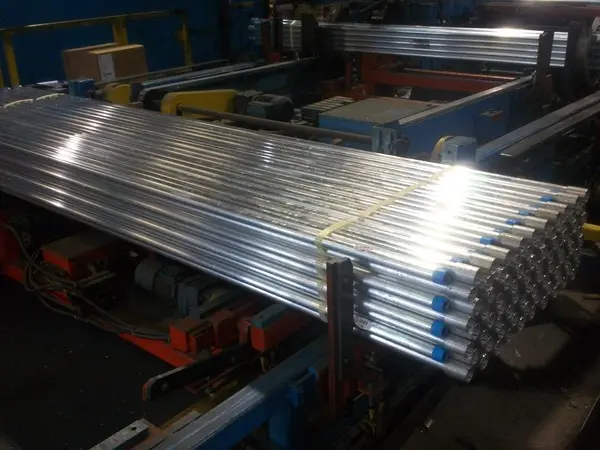
Heavier wall conduit gives the entire system added resilience. It protects cables during installation when pulling tensions are at their peak, and it holds up over time in harsh environments where temperature shifts, vibration, and moisture are always trying to find a weak point. When wall thickness is optimized for the job, you’re not just buying protection – you’re buying stability.
Electrical Performance and Grounding Reliability
In many high-voltage applications, the conduit itself becomes part of the grounding path. That means the conduit has to conduct stray electrical current safely and consistently to ground. Thinner-walled conduit can result in inconsistent conductivity over long runs, especially when multiple connection points and fittings are involved.
Thicker walls reduce resistance and maintain continuity even when conduit segments are joined, bent, or mounted across different materials. That’s especially critical in mission-critical builds, where precise voltage control and reliable fault protection aren’t optional. A poorly grounded system in a high-voltage application isn’t just inefficient – it’s dangerous.
Compliance with High-Stakes Standards
Not all installations are created equal. High-voltage systems are often subject to stricter inspection protocols and tougher regulatory scrutiny. Inspectors know that conduit wall thickness plays a key role in the structural and electrical integrity of the system. If your material doesn’t meet the project’s specified thickness – or if it’s visibly inconsistent across lengths – you could face red tags, delays, or required rework.
This is where working with a quality conduit supplier really matters. Precision manufacturing means you get consistent wall dimensions from end to end, not a product that skirts the low end of the tolerance spectrum. Inconsistencies, even small ones, can become big problems under the microscope of a utility or municipal inspection.
Installation Efficiency and Lifecycle Confidence
On the surface, thicker-walled conduit might seem like a heavier lift – literally. It’s more material, which means more weight and slightly more effort during install. But over the lifecycle of a high-voltage system, that extra material pays off in spades. You get fewer failures, fewer callbacks, and longer intervals between replacements. And with the right equipment, today’s crews are more than capable of handling thicker-wall conduit without adding time to the job.
When you’re building infrastructure designed to last decades – not just years – every component needs to pull its weight. Wall thickness might not be the first thing you see on a spec sheet, but it’s often the line between a system that holds strong and one that fails under pressure.
Find out more about the critical importance of proper conduit wall thickness by getting in touch with American Conduit. You can use our online contact form or call 1-800-334-6825 and see why we’re at the top of the list of aluminum conduit distributors for high voltage wiring.